AI Visual Inspection Systems: A Complete Guide for Manufacturing Teams
The manufacturing landscape is experiencing a fundamental shift in how quality control and defect detection are executed on the production floor. Traditional manual inspection methods, while familiar, are increasingly unable to keep pace with the demands of modern manufacturing—higher throughput, tighter tolerances, and zero-defect expectations from customers. This challenge has given rise to a transformative technology that combines computer vision, machine learning, and industrial automation to revolutionize quality assurance processes across manufacturing operations.
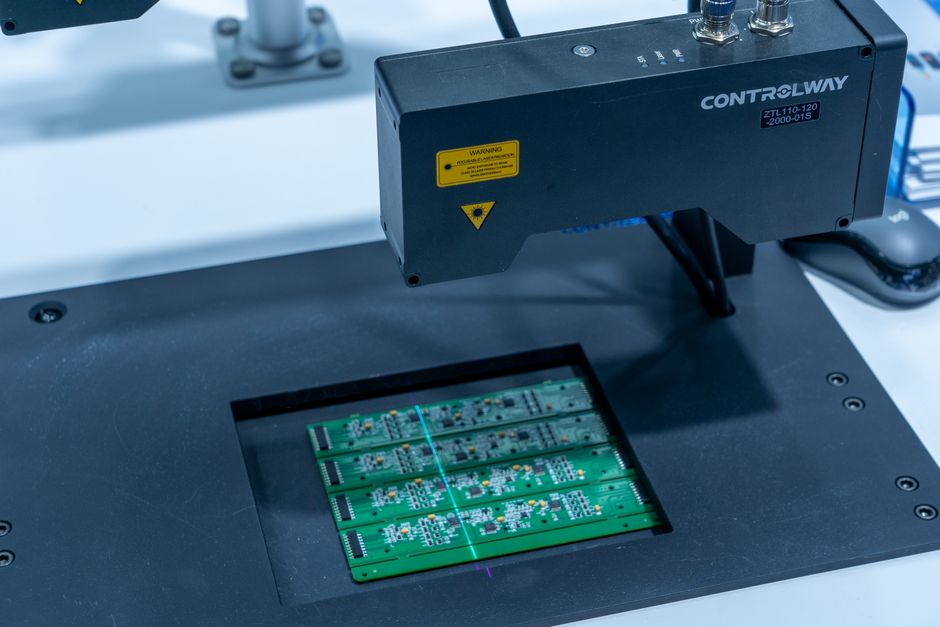
For manufacturing teams evaluating next-generation quality solutions, AI Visual Inspection Systems represent a paradigm shift from reactive defect detection to proactive quality intelligence. These systems leverage deep learning algorithms to analyze visual data from production lines in real-time, identifying defects, anomalies, and quality variations with accuracy levels that surpass human capabilities while operating continuously without fatigue. Understanding how these systems work, their impact on Overall Equipment Effectiveness (OEE), and the roadmap for implementation is essential for manufacturing organizations seeking to maintain competitive advantage in today's quality-driven marketplace.
What Are AI Visual Inspection Systems and How Do They Work?
At their core, AI Visual Inspection Systems combine industrial-grade cameras with advanced machine learning models to automate the detection of defects, dimensional variations, and quality issues across manufactured components. Unlike rule-based vision systems that require extensive programming for each defect type, AI-powered solutions learn from labeled image datasets, developing the ability to identify both known defect patterns and novel anomalies that may not have been explicitly programmed.
The technology stack typically includes high-resolution cameras positioned at critical inspection points along the production line, edge computing hardware for real-time inference, and cloud connectivity for model training and continuous improvement. The neural networks underlying these systems are trained on thousands of images representing both acceptable parts and various defect categories—scratches, cracks, dimensional deviations, color inconsistencies, and assembly errors. Once deployed, these AI Visual Inspection Systems can process hundreds of parts per minute, making accept/reject decisions with millisecond latency while capturing metadata that feeds directly into Manufacturing Execution Systems (MES) and quality management databases.
The Machine Learning Foundation
The effectiveness of AI Visual Inspection Systems depends on the quality and diversity of the training dataset. Leading implementations employ convolutional neural networks (CNNs) specifically architected for defect detection, often using transfer learning from pre-trained models to accelerate deployment even when historical defect images are limited. The system continuously improves through active learning loops—when the model encounters edge cases or low-confidence predictions, these images are flagged for expert review, labeled, and fed back into the training pipeline to enhance future accuracy.
Why AI Visual Inspection Matters: Addressing Real Manufacturing Pain Points
Manufacturing organizations face mounting pressure to reduce defect escape rates while simultaneously increasing production velocity and managing labor shortages. Traditional manual inspection creates bottlenecks, introduces variability based on inspector fatigue and experience levels, and generates limited data for root cause analysis. AI Visual Inspection Systems directly address these challenges while unlocking capabilities that transform quality from a cost center into a strategic advantage.
Minimizing Downtime Through Real-Time Quality Intelligence
One of the most compelling benefits is the shift from batch sampling to 100% inline inspection. Rather than checking statistical samples and risking defective parts reaching customers, AI systems inspect every single component in real-time without slowing production. When defects are detected, the system can immediately trigger alerts to operators, automatically reject parts through integrated sorting mechanisms, and provide instant feedback to upstream processes. This tight feedback loop dramatically reduces the Mean Time to Repair (MTTR) when quality issues emerge, preventing the accumulation of scrap and rework that devastates OEE metrics.
Enhancing Product Quality and Compliance
Industries with stringent regulatory requirements—automotive, aerospace, medical devices, pharmaceuticals—demand documented evidence of quality control for every manufactured unit. AI Visual Inspection Systems automatically generate digital inspection records with time-stamped images, defect classifications, and traceability to specific production batches. This data becomes invaluable for Corrective and Preventive Action (CAPA) processes, regulatory audits, and continuous improvement initiatives. The consistency of AI-based inspection also eliminates the subjective variability inherent in human judgment, ensuring that quality standards are applied uniformly across shifts and facilities.
Building Your Implementation Roadmap: How to Start with AI Visual Inspection
For manufacturing teams new to AI-based quality systems, a structured approach to evaluation and deployment maximizes the likelihood of success while minimizing risk. The journey begins not with technology selection, but with a clear understanding of your quality challenges, production constraints, and business objectives.
Step 1: Identify High-Impact Use Cases
Start by mapping your current quality control processes through Value Stream Mapping, identifying inspection points where manual methods create bottlenecks, high defect escape rates, or excessive labor costs. Ideal initial use cases for AI Visual Inspection Systems typically involve high-volume production with defined defect categories, adequate lighting conditions, and parts that can be presented consistently to cameras. Surface defect detection on painted components, dimensional verification on CNC-machined parts, and assembly verification on complex products represent common entry points that deliver measurable ROI within months.
Step 2: Establish Your Data Foundation
The performance of AI Visual Inspection Systems is directly tied to the quality of training data. Before vendor selection or system design, invest time in collecting representative images of both conforming and non-conforming parts. If historical defect images are limited, consider running a data collection phase where images are systematically captured and labeled by quality experts. Document defect taxonomies using standardized terminology aligned with your Quality Management Systems (QMS), ensuring that AI classifications will integrate seamlessly with existing quality reporting structures.
Organizations looking to accelerate this foundation-building phase often partner with specialists in custom AI development who can guide data preparation, model architecture selection, and integration strategies tailored to manufacturing environments.
Step 3: Design for Integration with Existing Systems
AI Visual Inspection Systems should not operate as isolated islands but as integrated components within your broader manufacturing technology ecosystem. Plan for bidirectional communication with your MES to receive production context (part numbers, batch IDs, production rates) and send quality data back for OEE calculation and process control. Consider integration with SCADA systems for automated reject handling, with Bill of Materials (BOM) management for component traceability, and with enterprise data platforms to enable advanced analytics on quality trends.
Step 4: Pilot, Validate, and Scale
Begin with a controlled pilot deployment on a single production line or inspection station. Establish clear success metrics—defect detection rate, false positive rate, throughput impact, and operator acceptance. Run the AI system in parallel with existing inspection methods initially, comparing results to build confidence and refine the model. Capture edge cases where the system struggles and use these to improve the training dataset. Once validation confirms performance exceeds baseline methods, transition to full deployment and replicate the solution to additional lines, leveraging learnings from the pilot to accelerate subsequent rollouts.
Technical Considerations and Common Implementation Challenges
While the business case for AI Visual Inspection Systems is compelling, successful deployment requires navigating several technical and organizational challenges that can derail implementations if not anticipated.
Lighting and Environmental Consistency
Computer vision systems are highly sensitive to lighting variations that human inspectors unconsciously compensate for. Inconsistent illumination creates shadows, glare, and color shifts that can confuse AI models, leading to false positives or missed defects. Invest in industrial LED lighting systems designed for machine vision, with diffused illumination that eliminates hotspots and maintains consistent color temperature. Environmental factors like vibration, dust, and temperature extremes also impact camera performance and should be mitigated through proper enclosures and mounting systems.
Managing the Transition from Manual to Automated Inspection
Introducing AI Visual Inspection Systems inevitably changes roles and responsibilities on the production floor. Quality inspectors may initially perceive the technology as a threat to job security, creating resistance that undermines adoption. Address this through transparent change management that reframes inspectors as AI trainers and quality analysts—leveraging their expertise to label training data, validate system decisions, and investigate root causes flagged by the AI. Provide training on how to interpret system outputs, override decisions when appropriate, and contribute to continuous improvement of the models.
The Future: AI Visual Inspection Within Intelligent Manufacturing Ecosystems
As AI Visual Inspection Systems mature, they are increasingly functioning not as standalone quality tools but as sensory inputs to broader Intelligent Manufacturing Systems that orchestrate production, maintenance, and supply chain decisions. Advanced implementations now combine visual inspection data with inputs from other sensors—vibration monitors, thermal cameras, acoustic analysis—to build comprehensive Digital Twin Engineering models that predict quality issues before they manifest in finished parts.
The integration of Predictive Maintenance AI with visual inspection creates powerful feedback loops: when inspection data reveals subtle quality degradation trends, maintenance systems can proactively schedule interventions on tooling or equipment before defects escalate. Smart MES Solutions now incorporate inspection results into dynamic production scheduling, automatically routing parts flagged with marginal quality indicators to secondary inspection stations while expediting high-confidence parts to downstream operations.
Conclusion
For manufacturing organizations navigating the dual imperatives of higher quality and lower costs, AI Visual Inspection Systems offer a proven path forward that transforms quality assurance from a labor-intensive bottleneck into a data-rich competitive advantage. By understanding the technology foundations, identifying high-impact use cases, building robust data pipelines, and planning for organizational change, manufacturing teams can successfully deploy these systems to achieve measurable improvements in defect detection, throughput, and operational intelligence. As these solutions continue to evolve and integrate with Intelligent Manufacturing Systems, they will play an increasingly central role in enabling the responsive, quality-driven, and data-informed production environments that define manufacturing excellence in the years ahead.


Comments
Post a Comment